
Building More Than Housing: Creating Pathways to Stability for Youth
For many young people aging out of foster care, the biggest question is not just what’s next, it’s where do I go?
At Foster Forward, housing has become a critical part of answering that question. It is not just about providing a place to live. It is about creating the stability young people need to move forward, make decisions about their future, and build something for themselves.
Over the past few years, that work has been steadily growing. Foster Forward began its housing journey in 2021 with the purchase of its first property. Today, the organization owns nine units across three multifamily homes, with current construction bringing that number to eleven.
Each of these units represents more than a roof overhead. It represents consistency, support, and the chance to take the next step.
That work is now taking shape in real and visible ways.
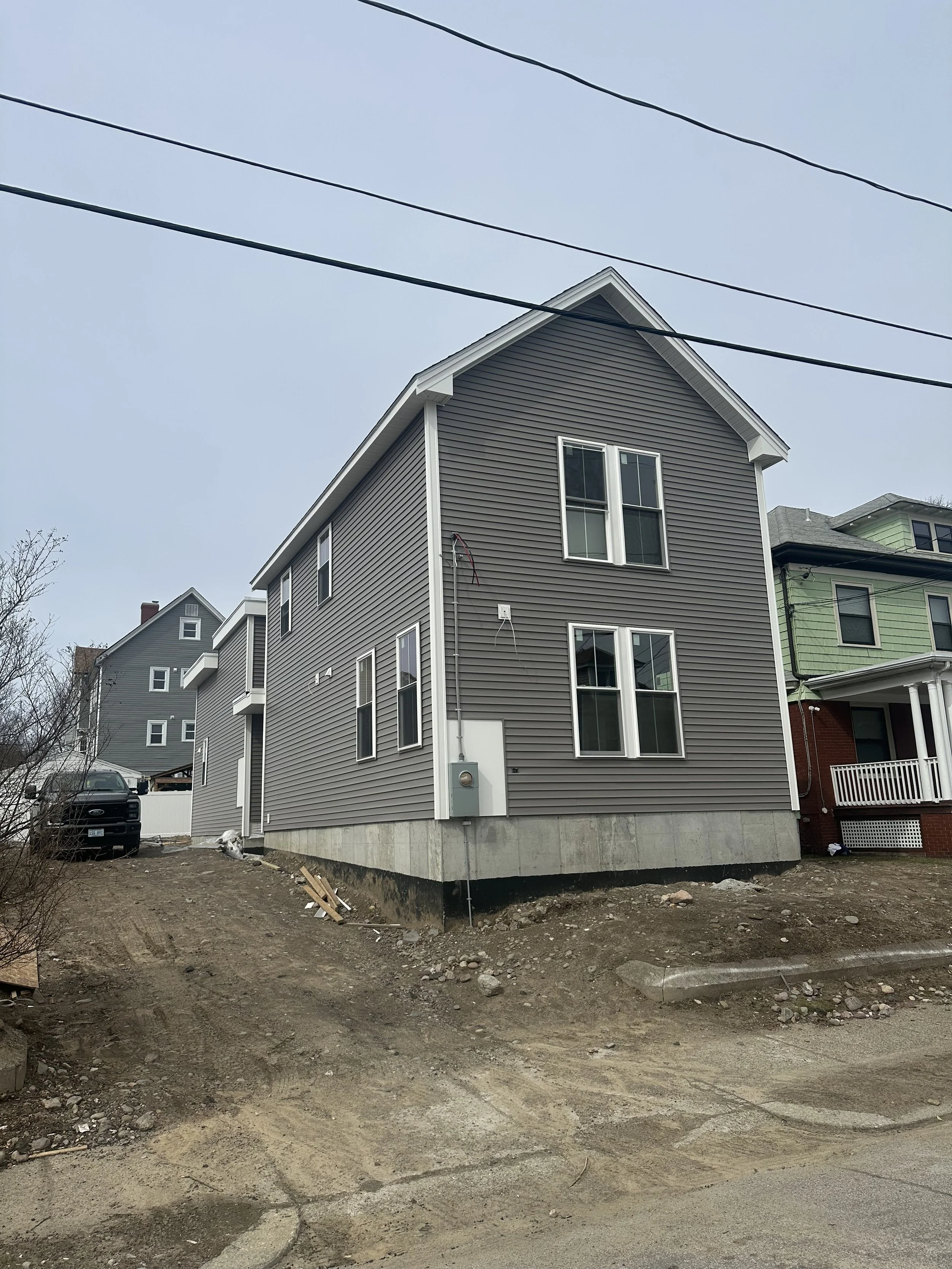
Last year, during 401Gives, Foster Forward shared plans for a new housing project on Melrose Avenue in Pawtucket. Because of donor support, that vision is now under construction.
Melrose II is a small but meaningful development that will create two new homes for young people, including a two-bedroom single-family home and a one-bedroom accessory dwelling unit, or ADU. By utilizing Rhode Island’s updated ADU policies, this project demonstrates how housing can be expanded in a way that fits within existing neighborhoods while increasing access to affordable units.
What makes this project especially significant is how quickly it has moved from concept to reality. In just one year, an idea shared with the community is now a construction site on track to be completed this spring, soon becoming home for young people working toward stability and independence.
At the same time, Foster Forward has continued to expand housing through partnerships. In 2024, the organization partnered with ONE Neighborhood Builders on the 16-unit Riverside Square development in East Providence, with three units set aside specifically for youth aging out of foster care.
That collaborative approach is also reflected in the Center City Apartments development in partnership with ONE Neighborhood Builders, Crossroads, and Family Service RI, a large-scale project currently underway on Taunton Avenue in East Providence. Phase One will create 95 new affordable apartments as part of a planned 144-unit development, including homes specifically designated for young people transitioning out of foster care.
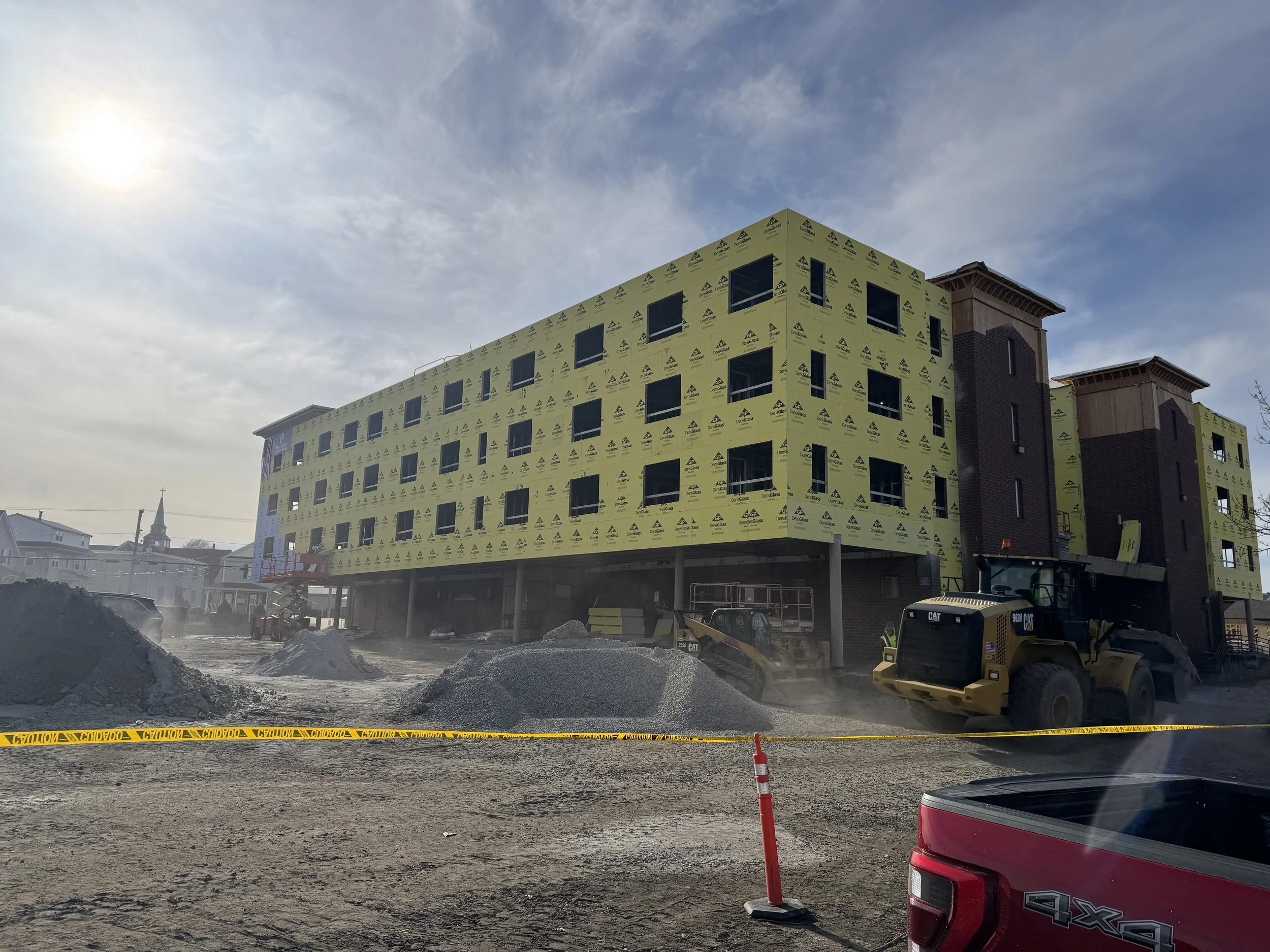
Designed to be more than housing, Center City Apartments will include on-site supportive services and community spaces that promote long-term stability, connection, and well-being for residents.
Together, these efforts reflect a dual approach: building housing directly while also working alongside partners to expand opportunities at a larger scale.
But housing alone is not enough.
Through Foster Forward’s Your Way Home program, housing is paired with wraparound support designed to help young people succeed long term. This includes financial education and matched savings through ASPIRE, career readiness and job placement through Works Wonders, and ongoing mentoring and support focused on mental health, resilience, and independence.
This approach ensures that housing is not just a place to stay, but a foundation for growth. Since launching this work, young people have transitioned from Foster Forward housing into market-rate apartments, demonstrating what is possible when stability and support are combined.
Still, the need continues to grow.
Foster Forward’s long-term goal is to reach 110 housing units for youth transitioning out of foster care. Reaching that goal requires both expanding what already works and continuing to explore new and innovative approaches.
That includes developing additional small-scale projects like Melrose II, identifying opportunities to build more ADUs on existing properties, and continuing partnerships that bring larger developments to life.
It also means thinking beyond housing itself.
Foster Forward is beginning to explore the creation of a property management company, not only to support and maintain its growing housing portfolio, but to create new opportunities for young people. Through this work, youth could gain hands-on experience, build practical skills, and access career pathways in property management and the trades.
This vision connects housing and workforce development in a new way. It recognizes that stability is not just about having a place to live, but also about having access to meaningful opportunities.
Projects like Melrose II show what is possible when policy, partnership, and community support come together. They demonstrate how thoughtful ideas can turn into real homes, and how those homes can become the starting point for something much larger.
At its core, this work is about more than housing.
It is about creating pathways to independence, opportunity, and long-term stability for young people who deserve the chance to build their future.
